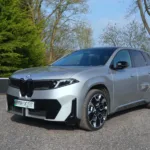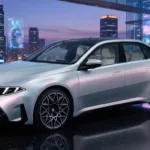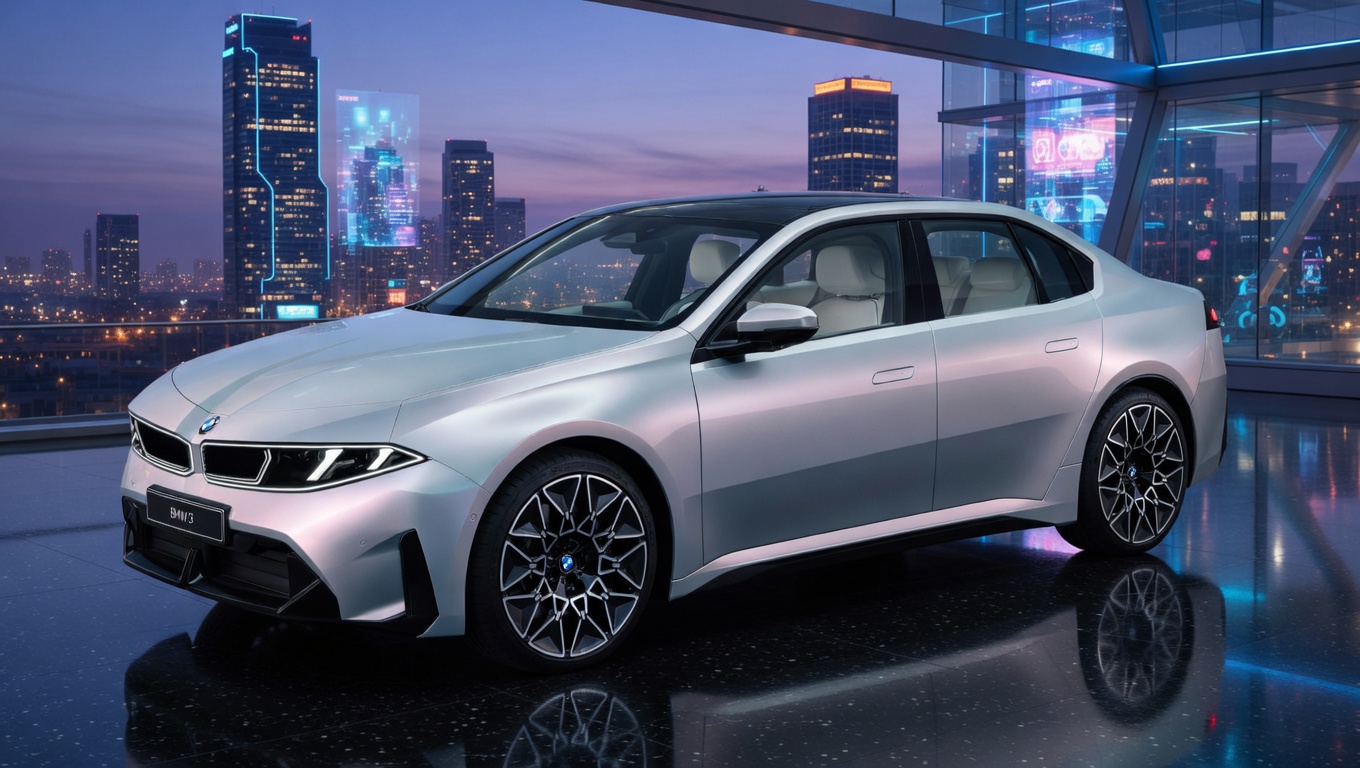
BMW has finally revealed the electric sedan many enthusiasts have been waiting for. The new 2026 BMW i3 is not a reboot of the old carbon-fiber city car, and it is not just an electric version of the existing 3 Series formula. It is a ground-up Neue Klasse product designed around a dedicated EV platform, new battery architecture, new software systems, and a clear attempt to bring BMW’s traditional sedan DNA into the electric era.
While we wait for the first test drives, this deep dive serves as an early BMW i3 review based on the car’s confirmed technical architecture, charging capability, and software direction.
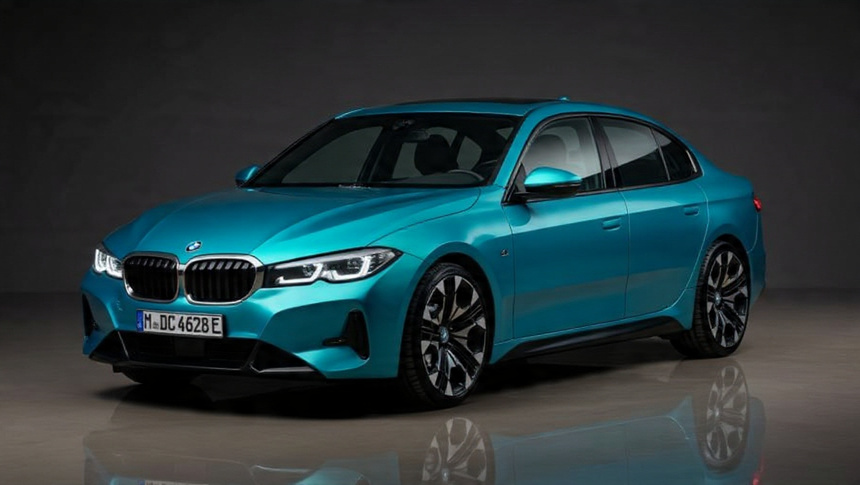
Table of Contents
At first glance, the i3 feels important for reasons that go beyond a single product launch. BMW has spent years building electric vehicles that were competent and in some cases very good, but many of them still felt like part of a transition period. The i3 looks different. It appears to be the moment when BMW stops adapting familiar ideas and starts building a proper electric sports sedan from the chassis upward.
What makes the story even more compelling is how serious the numbers already look. Early reports and launch coverage point to an estimated 440 miles of range on the EPA cycle, while BMW is also talking about up to 900 km on the WLTP cycle in preliminary form. Add in 400 kW DC fast charging and the result is a sedan that immediately positions itself near the top of the electric segment for long-distance travel.
Why the 2026 BMW i3 Is a True Neue Klasse Sedan
The biggest reason the i3 matters is the platform underneath it. This is the second production model in BMW’s Neue Klasse family, following the iX3, and it shares the same 800-volt electrical architecture and next-generation EV systems. That means the i3 is not simply borrowing parts from BMW’s combustion-engine cars. It is being built as a fully electric product from day one.
That distinction matters because the best EVs are increasingly defined by their underlying architecture. A dedicated platform influences battery packaging, weight distribution, interior layout, charging speed, software integration, and the way the car behaves on the road. The i3’s promise is not just that it is electric, but that it has been designed to make the most of being electric.
BMW is also using the i3 to carry forward the design language previewed by the Vision Neue Klasse concept. In other words, this car is more than a single model. It is a preview of where BMW’s core lineup is heading visually and technically. That makes the i3 one of the most strategically important BMW launches in recent years.
Range and Charging Take Center Stage
The headline figure for many buyers will be range. BMW’s launch material and multiple early reports place the i3 at around 440 miles of estimated EPA range, while preliminary WLTP numbers reach as high as 900 km. Even if official certified figures evolve closer to production, the message is clear: BMW wants this car to be seen as one of the true range leaders among premium electric sedans.
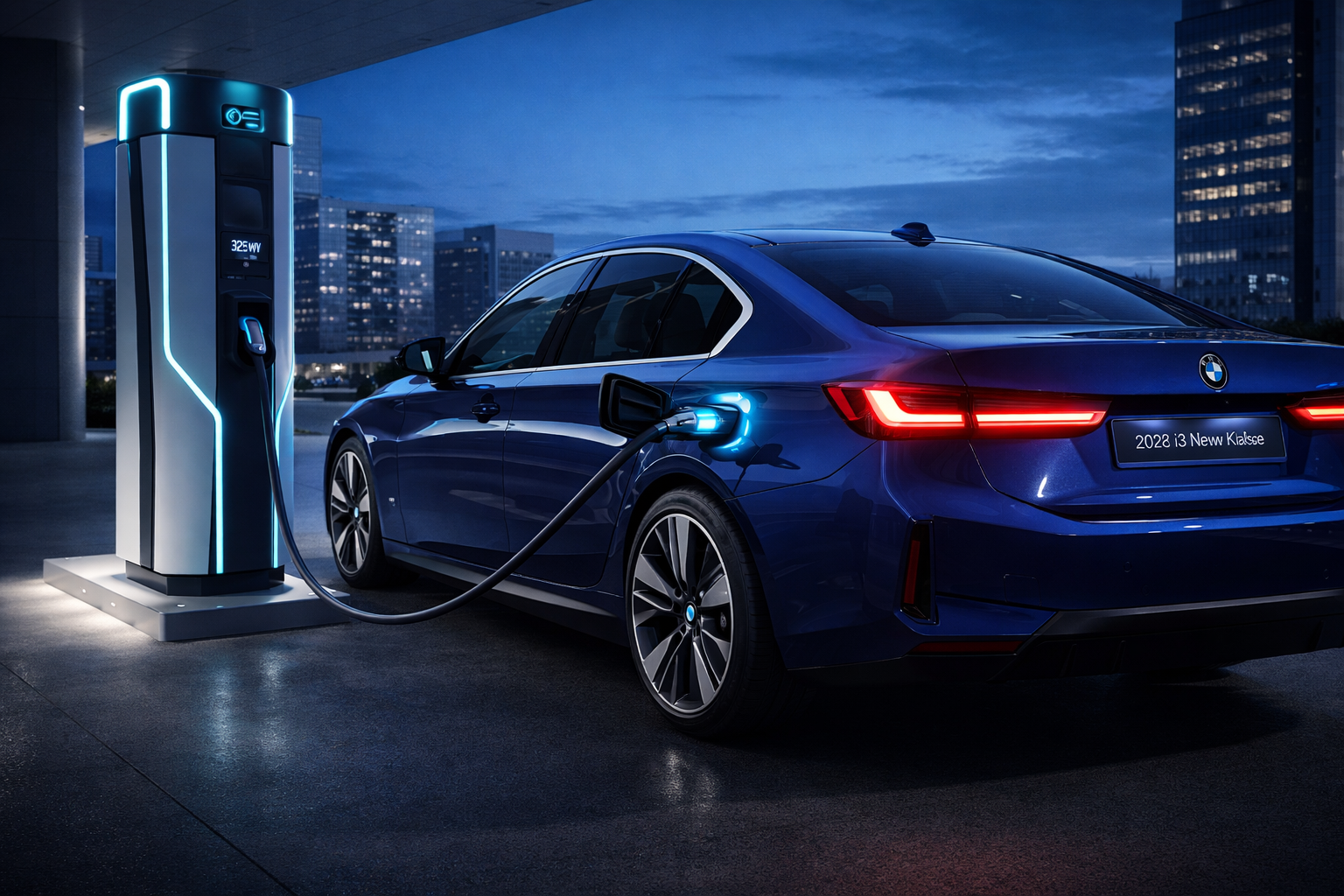
That range matters even more when combined with the charging performance. The Neue Klasse platform supports DC fast charging at up to 400 kW, which should allow the i3 to regain roughly 400 km of range in just 10 minutes under ideal conditions. For long-distance drivers, that changes the ownership experience completely. This is no longer about planning your life around charging stops. It is about making charging short enough that the car fits naturally into normal travel habits.
BMW is also bringing the broader Neue Klasse charging ecosystem with it. Reports point to route planning, battery preconditioning, plug-and-charge functionality, and bidirectional capabilities as part of the package. Together, these features suggest that the i3 is being developed not just as a spec-sheet hero, but as a practical EV for daily use and road trips alike.
Performance Without Losing Efficiency
The i3 50 xDrive arrives with dual motors, all-wheel drive, and output in the region of 463 to 469 horsepower depending on the source and market framing. Torque is quoted at roughly 645 Nm, which places the car firmly in the territory where strong everyday acceleration should be taken for granted.
But what makes the powertrain interesting is not just the total number. BMW appears to be using a setup that balances performance with real efficiency. Early technical descriptions reference the company’s sixth-generation eDrive hardware, and the broader Neue Klasse architecture has been designed to improve both charging speed and energy use. That matters because the best electric sedans are no longer the ones that simply post big acceleration times. They are the ones that remain efficient and comfortable over long distances while still delivering performance when needed.
This is where the new i3 could stand out. On paper, it promises the kind of range and charging normally associated with larger or more expensive EVs, but it does so in a sedan format that still aims to preserve BMW’s driver-focused character. That balance could be the car’s biggest strength.
| Feature | Details (Based on Preliminary Reveal) |
| Vehicle Type | Premium Electric Sports Sedan |
| Platform | Neue Klasse (Dedicated EV Architecture) |
| Powertrain | i3 50 xDrive (Dual-Motor AWD) |
| Horsepower | ~463 – 469 hp |
| Torque | ~645 Nm (475 lb-ft) |
| Battery Capacity | 108.7 – 112 kWh (Usable) |
| Estimated Range (EPA) | ~440 Miles |
| Estimated Range (WLTP) | Up to 900 km |
| Electrical Architecture | 800-Volt System |
| Max DC Charging Rate | Up to 400 kW |
| Charging Speed | ~400 km of range in 10 minutes (Ideal conditions) |
| Battery Cell Tech | Gen6 Cylindrical Cells (NMC Chemistry) |
| Operating System | Next-Gen BMW OS with Panoramic Vision |
| Production Start | August 2026 |
| Market Launch | Fall 2026 |
Interior Technology Moves Forward
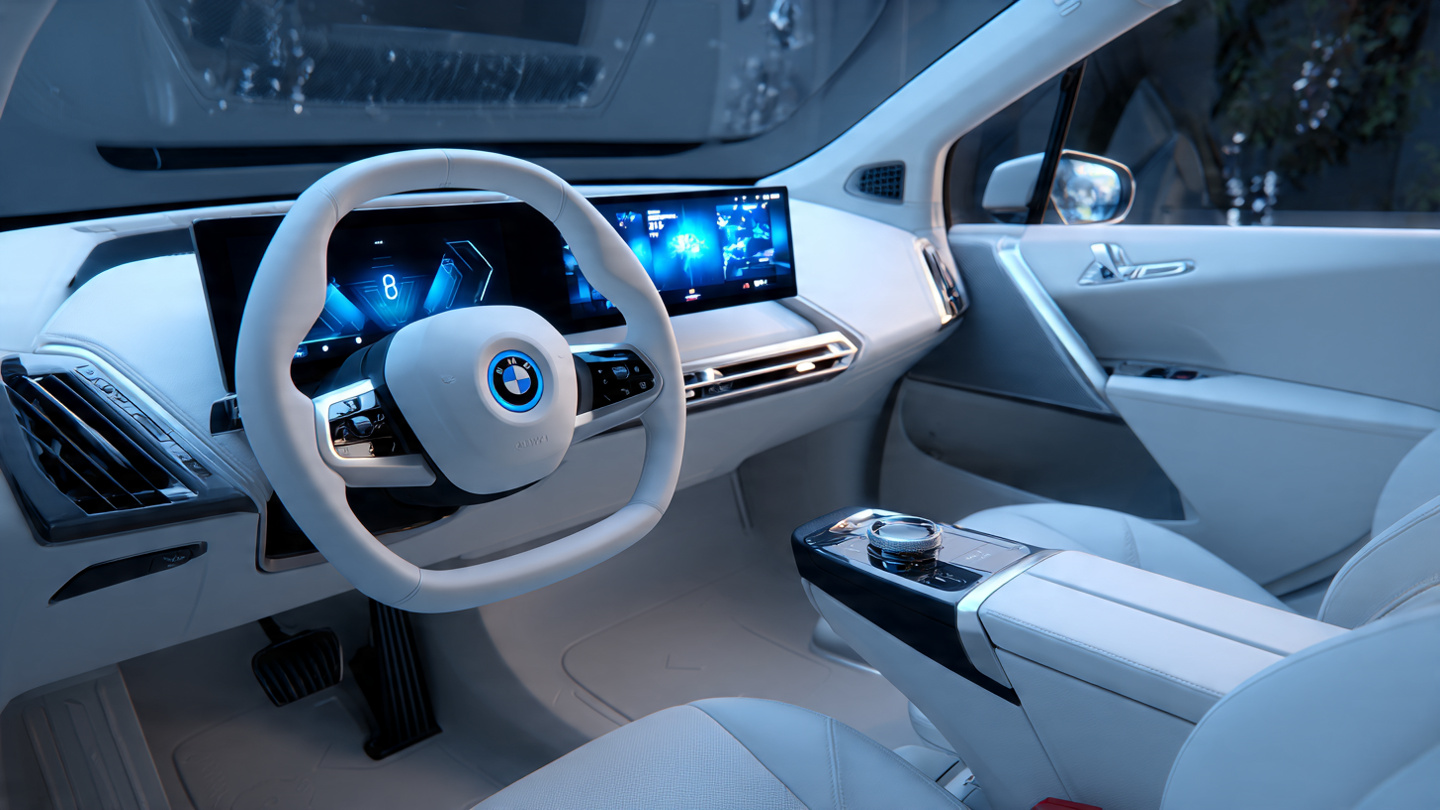
Inside, the i3 introduces one of the biggest cabin changes in the history of BMW’s 3 Series-sized cars. Early walkarounds highlight BMW Panoramic Vision and a large central touchscreen running the company’s latest operating system. Rather than relying on a conventional instrument binnacle, BMW is spreading key information across the driver’s field of view in a more integrated way.
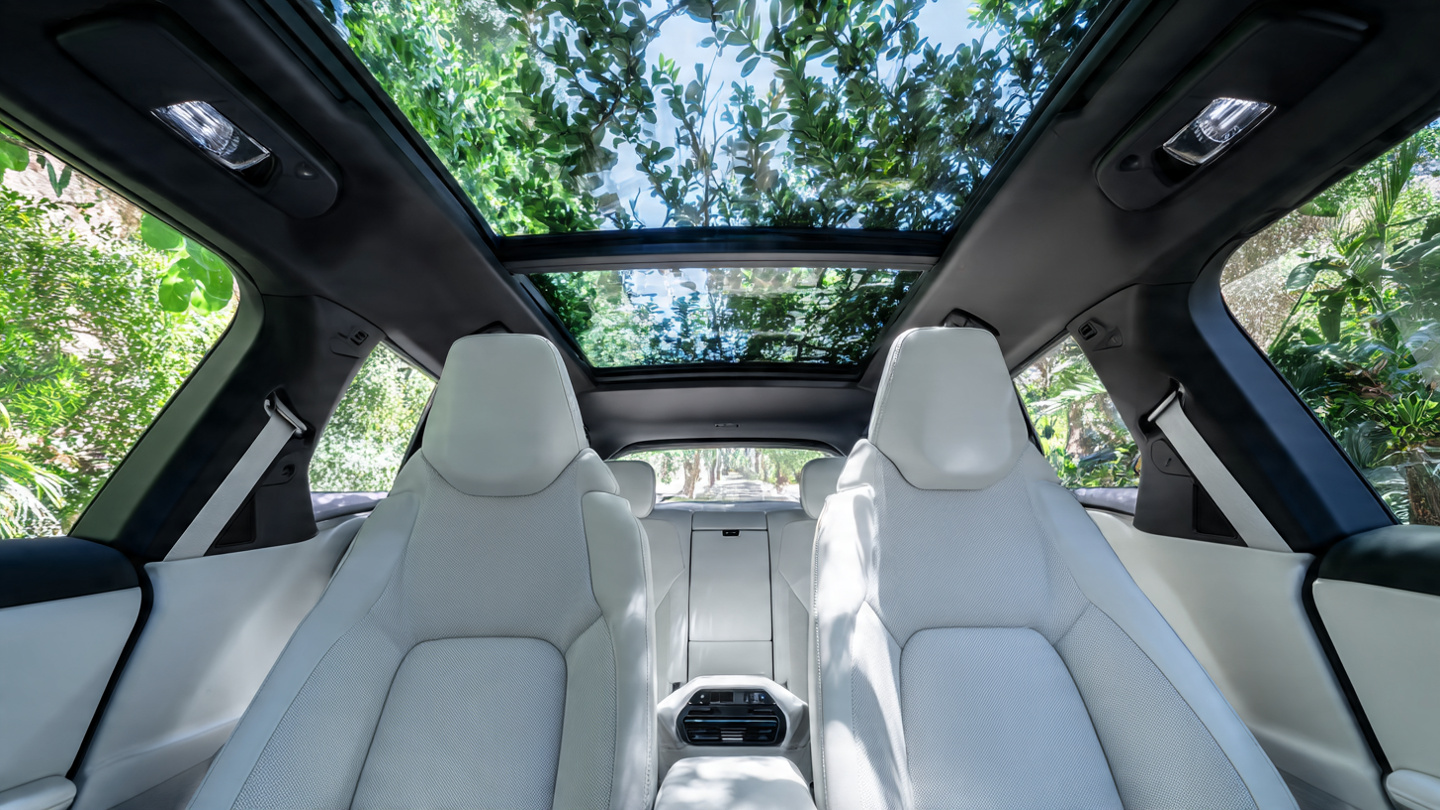
This matters because interior technology in EVs has often gone in one of two directions: either overwhelming complexity or extreme minimalism. BMW seems to be aiming for something more usable. The new interface is meant to remain configurable and driver-oriented while still delivering the digital flexibility expected from a next-generation EV. In other words, the company is trying to move forward without turning the cabin into a lifeless screen box.
The i3 also supports BMW Digital Key Plus, allowing compatible smartphones to unlock and start the car through BMW’s digital key ecosystem. BMW already positions this as a core convenience feature across its newer products, and its inclusion here reinforces the sense that the i3 is as much about seamless ownership as it is about raw specifications.
The New Software Backbone
One of the less visible but more important developments is the move to a more modern vehicle electronics architecture. Reports tied to the Neue Klasse rollout describe a zonal layout rather than the older approach of scattering many separate control units throughout the car. This should help BMW improve processing speed, over-the-air updates, and long-term software flexibility.
That may not sound as exciting as horsepower or charging speed, but it is central to how modern EVs evolve over time. Buyers increasingly expect cars to improve after delivery, gain features through software, and remain current longer than traditional vehicles did. If BMW follows through with meaningful software support, the i3 could become much more attractive as a long-term ownership proposition.
The same is true for driver assistance. Early information points to adaptive cruise control and lane centering as standard, with more advanced Level 2+ features available as an option. These additions will matter to buyers who use the car for commuting and long highway drives, especially given the i3’s obvious focus on range and travel capability.
Design Will Split Opinion
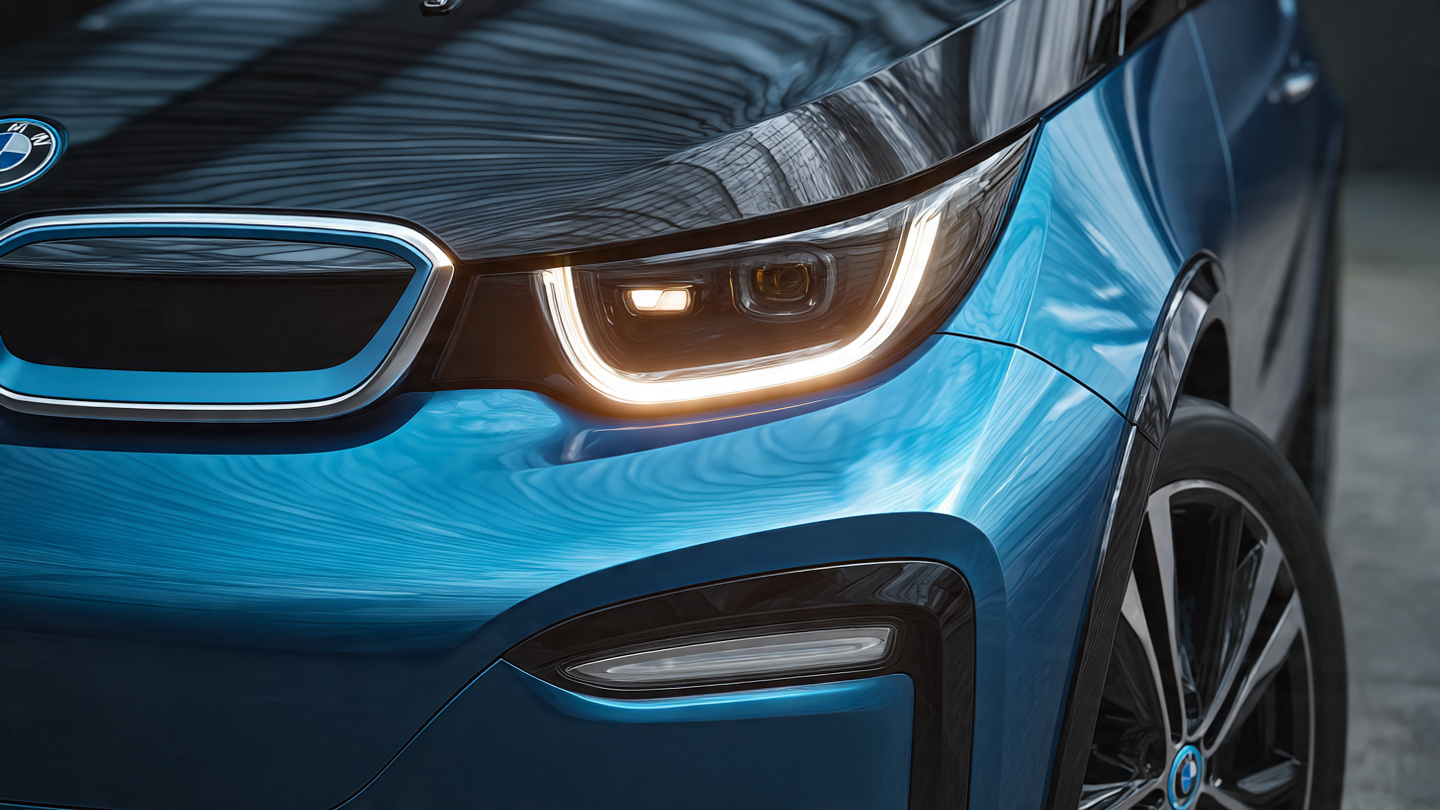
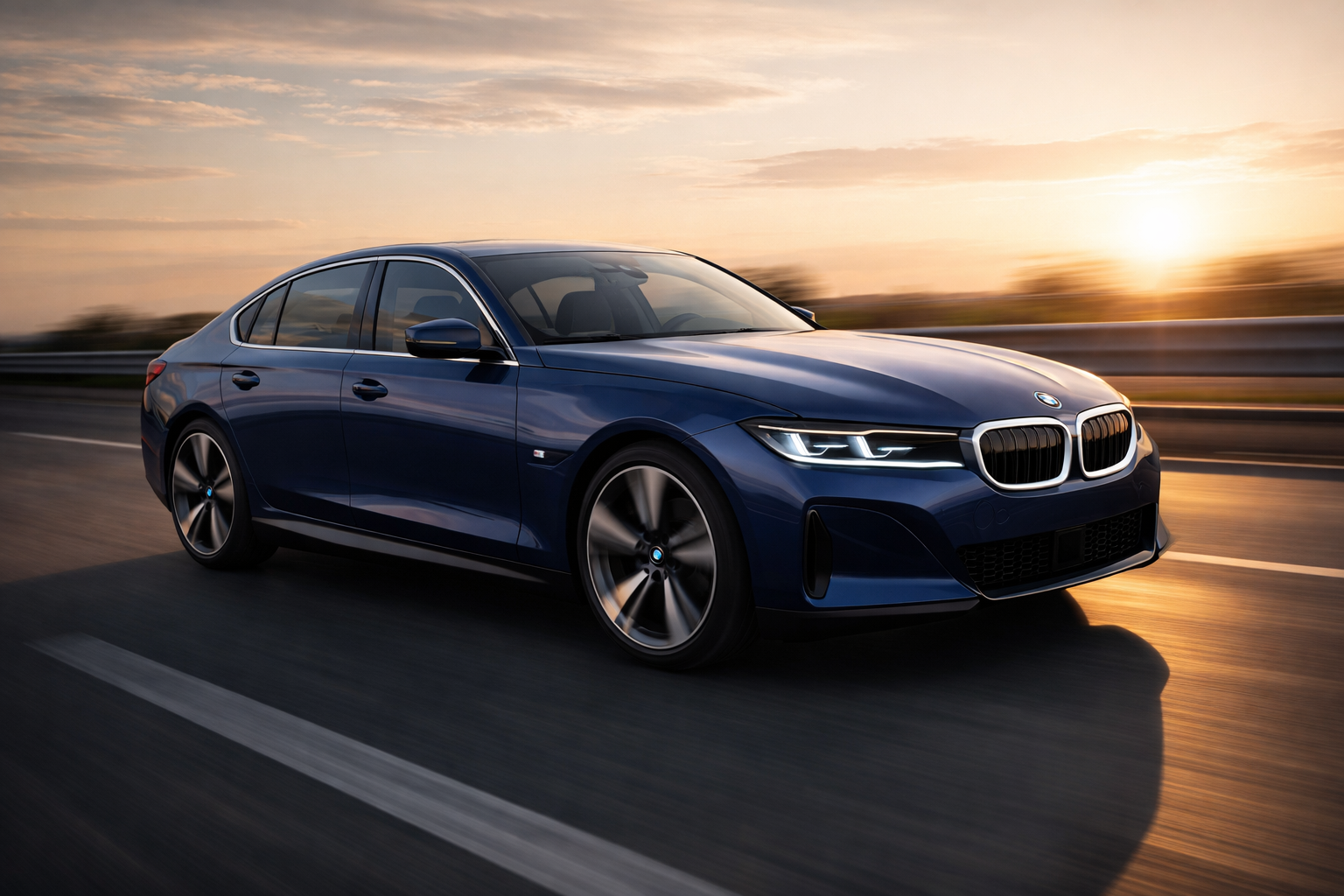
As with many modern BMWs, design is likely to be one of the more divisive parts of the conversation. The front end appears cleaner and more integrated than some recent BMW designs, while the overall Neue Klasse look pushes the brand toward a more minimal, digital visual identity.
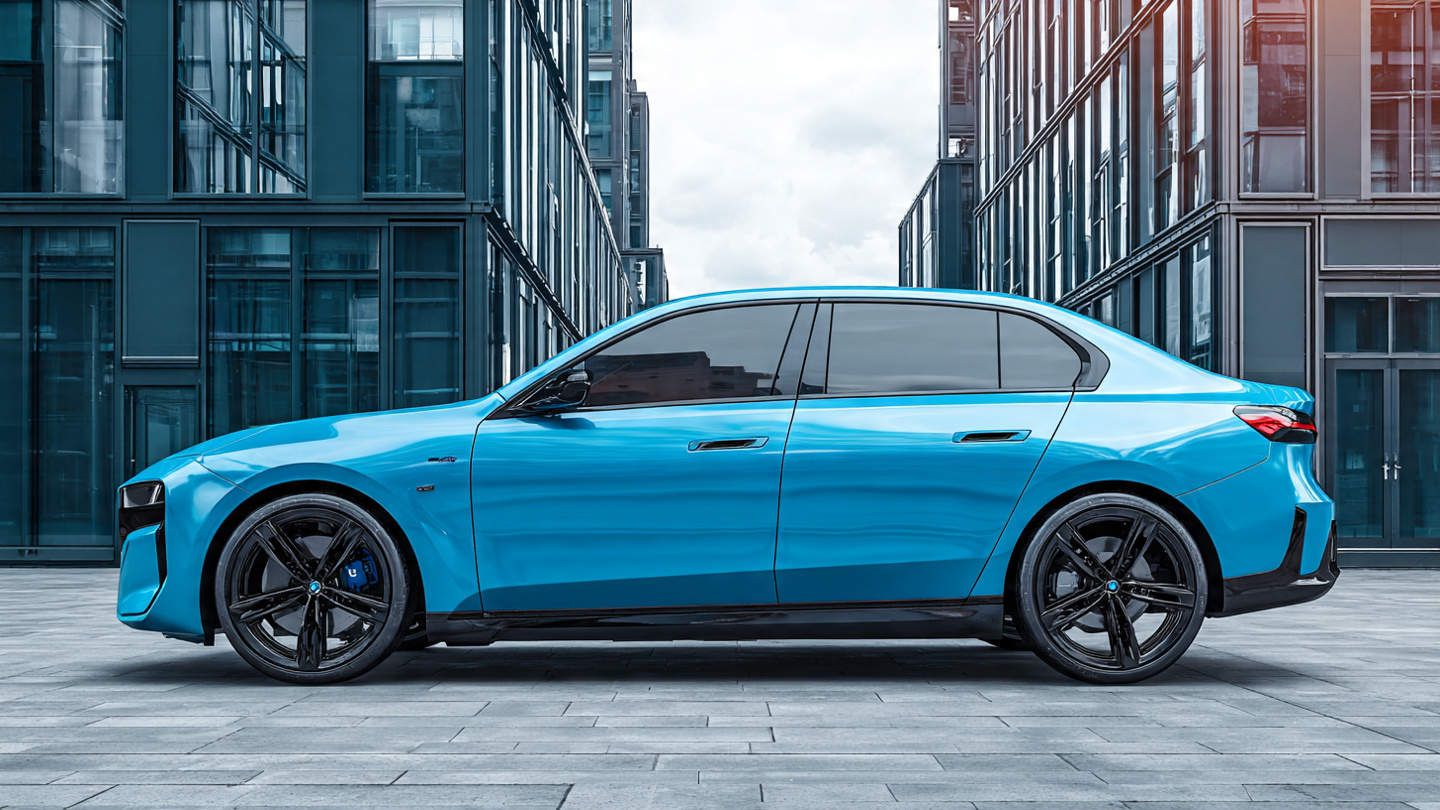
The sedan proportions are also important. In an American market dominated by electric crossovers, the i3 is making a case for the classic premium sedan at a time when that body style feels increasingly rare in the EV space. That alone may be enough to win over buyers who want something sleeker, lower, and more purposeful than an SUV.
Whether every detail works visually will come down to personal taste, but BMW does not need universal agreement here. It only needs the car to feel modern, recognizable, and different enough from current models to signal a real shift. On that level, the i3 appears to succeed.
Production Starts Soon
The new i3 is not a distant concept. Production is scheduled to begin in August 2026 at BMW’s Munich plant, with first deliveries expected from the fall. That makes this one of the more immediate major EV launches in the premium sedan segment.
Manufacturing also reflects BMW’s wider European EV strategy. Reports indicate that while the i3 will be built in Munich, battery supply comes from Hungary and major components such as motors and power electronics are sourced within BMW’s wider regional production network. This level of industrial coordination underlines how central the Neue Klasse program is to BMW’s future.
For buyers, the timeline matters because it means the i3 is entering the market at a moment when EV competition is becoming more serious, but still leaves room for a genuinely standout sedan. If BMW can deliver the promised performance, range, charging, and software quality, the i3 could quickly become one of the reference points in the segment.
Why the BMW i3 Matters
The 2026 BMW i3 is not interesting simply because it is fast or because it has a big battery. It matters because it looks like BMW’s first true attempt to build an electric sports sedan without compromise at the platform level. The company is combining long range, very high charging power, a dedicated 800-volt architecture, new interior technology, and traditional BMW brand values into one car.
That combination is rare. Some EVs win on software, others on efficiency, others on price, and a few on performance. The i3 aims to bring several of those strengths together while still feeling like a BMW. If the production model delivers on its early promise, this will not just be another new EV. It will be one of the most important premium electric sedans of the next few years.
As a BMW i3 Neue Klasse sedan, this model represents a far more serious EV strategy than the company’s earlier transition era electric cars.
For now, the early signs are extremely promising. BMW may have taken its time, but the i3 suggests the wait was used to build something with real intent.
FAQs
How much range does the BMW i3 have?
BMW says the i3 offers up to 440 miles of estimated range in the U.S.
How fast can the BMW i3 charge?
The new BMW i3 supports DC fast charging at up to 400 kW.
Does the BMW i3 use 800V technology?
Yes, the BMW i3 is built on an 800-volt EV architecture.
When will the BMW i3 be available in the U.S.?
Where will the BMW i3 be built?
Production of the new BMW i3 starts in Munich in August 2026.
Does the BMW i3 have BMW Panoramic Vision?
Yes, the new i3 includes BMW Panoramic Vision and a driver-focused digital interior.